Hardness
Not reported
No measured value availableHardness is not estimated from location.
City of Minneapolis Water Works met federal limits in the EPA records we checked. This report covers City of Minneapolis Water Works, which serves about 425,300 people using surface water; missing results are labeled rather than inferred.
Same four checks on every city page, always in the same order. Missing values are labeled, never guessed.
Health-based limit-exceedance records since Oct. 2021; resolved or archived records are not presented as current.
Period ending December 2024.
Detected examples: PFBA.
Hardness is not estimated from location.
Each row identifies the result, its data period and its source. Missing measurements are not estimated.
| Result | Finding / comparison | Date / period | Source |
|---|---|---|---|
| Health-based violations | No health-based limit-exceedance flag in these water-system records. | Since Oct. 2021 | EPA drinking-water data |
| Lead · 90th percentile | 2 ppb · Below the 15 ppb action level | December 2024 | EPA Lead & Copper data |
| PFBA | Highest single sample 12 ng/L · No individual federal MCL shown for this compound Single-sample values are context only; EPA PFAS compliance is based on running annual averages. | UCMR 5 survey period | EPA UCMR 5 |
| Hardness | Not reported. Hardness is not estimated from location. | Not reported | A utility report or water test is needed for a measured value. |
City of Minneapolis Water Works did not trigger the lead or PFAS screening rules used for the headline. That does not mean every possible contaminant was tested or absent. For city water, treatment decisions can still depend on taste, disinfectant, plumbing, hardness and your own goals. The finder uses this report as a starting point, then asks about household flow and budget.
Flow demand, plumbing, maintenance and budget can change which treatment fits even when two homes share the same utility.
These are rule-based matches from the current FilterTier rankings. Size still depends on your home.
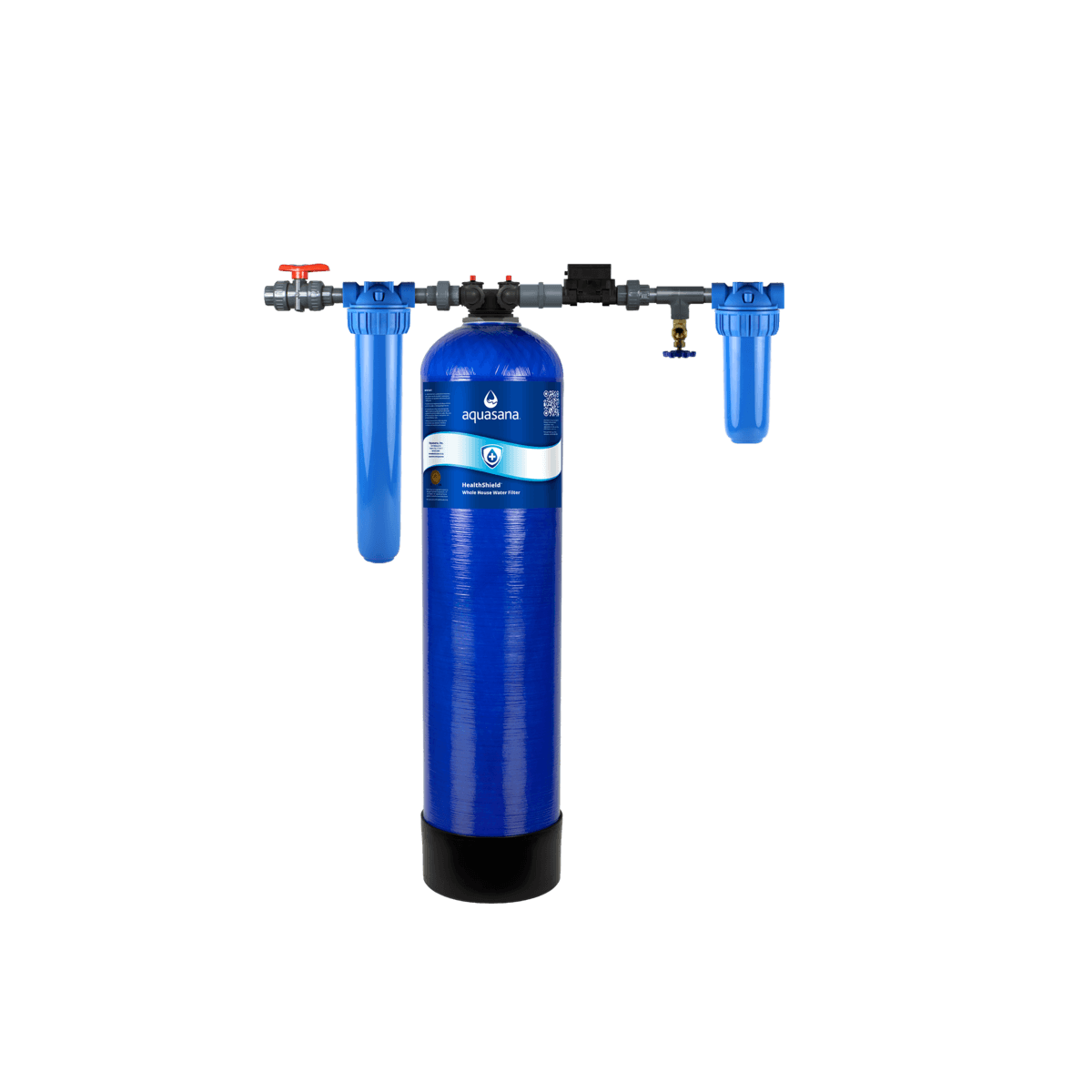
Current #1 on the city-water ranking. Exact-system health-effect reduction evidence is strong, but its 5.7 GPM certified/service flow makes household sizing important.
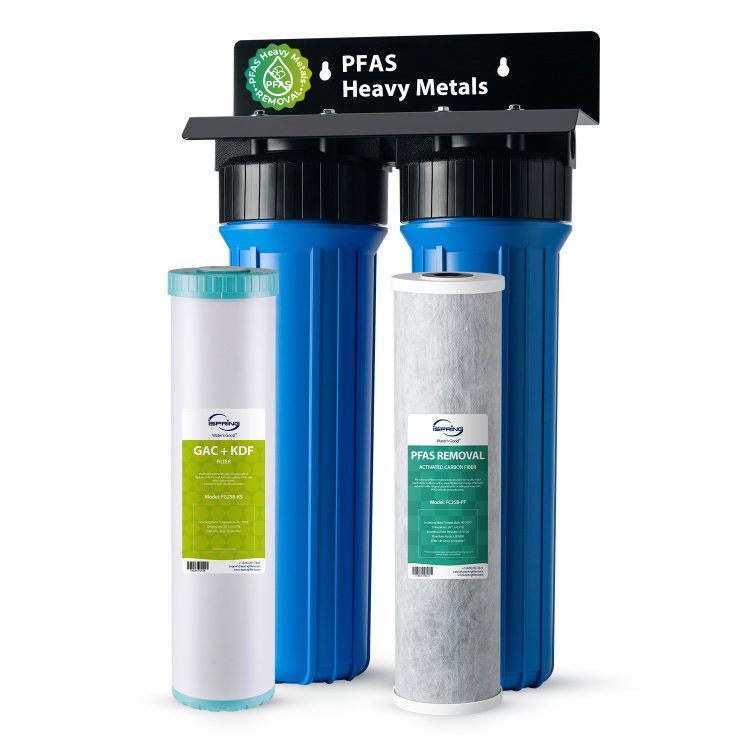
Current #2 on the city-water ranking. It offers much higher published flow, with verified exact-model PFAS/heavy-metal product data; confirm the exact certification evidence that matters to your goal.
Ranking updates can change these matches. Evidence label and flow are shown so the tradeoff stays visible.
Minneapolis Water Treatment & Distribution Services (PWSID MN1270024) treats Mississippi River source water. The utility's system data summarize monitoring, not a personal tap test. Ask the water utility or check your bill to verify service for an individual address; property lines and ZIP code boundaries cannot independently identify provider coverage.
The city's original 2024 consumer confidence report, printed page 3, gives a 2 ppb lead 90th percentile for August 15, 2024, with one of 67 sampled homes exceeding the old 15 ppb action-level comparison. It also reports a highly unusual single-site result, followed by repeat sampling below 2 ppb; neither the outlier nor the repeat measurement should be silently converted into a citywide average. FilterTier's federal record ends in December 2024 as the monitoring-period boundary, not the tap collection day. This historic round does not establish the current lead result in any Minneapolis home.
Minneapolis posted a June 10, 2026 municipal PFAS explanation for its 2026 testing of 25 PFAS chemicals. It reports detection of PFBA at 7.2–7.4 parts per trillion, comparing that range with the Minnesota health-guidance value of 7,000 ppt. PFBA guidance is not the same as a federal PFBA enforceable MCL. The city's separate UCMR 5 monitoring began in 2023 and was designed as a national occurrence survey; the 2026 municipal result should not overwrite an earlier federal sampling-point average or be interpreted as proof that no additional substances could be present below reporting limits.
The city describes Mississippi River water as its drinking-water source and uses annual reports and plant-effluent records to distinguish treated-water monitoring from household plumbing. Minneapolis offers free lead tap-test kits and a private lead-service-line replacement project for eligible owners; a tested utility percentile cannot rule out an older line or fixture at your address. Check the actual service line and current city notices before choosing treatment or assessing an individual-property risk.
2024 lead report table visually checked November 8, 2026; 2026 PFAS figures from the city's dated municipal page. 2025 annual report availability was checked but its individual raw rows were not independently transcribed. No regulation or enforcement status is inferred from the older summary; ZIP/PWS records and all federal measurements remain unchanged.
A utility service area is not the same as a city boundary. Service-area maps can be approximate; confirm your provider on your bill.
Ask your provider about nearby communities and address-specific service coverage.
A shared system ID connects the reports, but does not mean every tap has identical water quality.
See the utility’s service-area map for coverage beyond this city.
Reported wholesale relationships may be seasonal, backup or partial supplies. They do not establish today’s water blend, treatment or an identical contaminant profile.
No supplier relationship was provided.
Housing estimates describe Minneapolis, not the materials, water quality or plumbing demand of your individual home.
Housing age does not confirm lead plumbing.
Tenure is context, not a treatment requirement.
Room count does not determine peak flow.
Explore the latest available outdoor air readings from AirNow. Credit: U.S. EPA AirNow and participating state, local and tribal air agencies. Live observations are preliminary and may change after quality assurance; they are not regulatory compliance determinations. Observation times are shown in the map. Missing readings do not mean clean air.
Open the live AirNow map ↗For validated regulatory air-quality data and trend analysis, use EPA AirData/AQS.
The water system covered in this report is City of Minneapolis Water Works (system ID MN1270024), serving about 425,300 people. If your bill shows another utility, use the ZIP report to confirm your system.
The latest 90th-percentile result in this dataset is 2 ppb for the period ending December 2024. Lead can also come from building plumbing, so utility results do not describe every tap.
PFAS was included in the national survey data used here and no sampling-point average in the city index triggered the screening flag.
Not automatically. The right treatment depends on the exact contaminants, your plumbing, household flow, maintenance preference and budget. Use the finder to combine this public-water profile with your home details.
Service boundaries can cross city limits, and a city may have more than one provider. Match the utility and system ID to your water bill before applying a public-water result to your address. Private wells need their own testing.
Utility identity, system ID, source-water context, violations and Lead & Copper results. For lead, the 15 ppb action level remains the applicable transition-period threshold until LCRI compliance begins November 1, 2027; FilterTier uses 10 ppb as a screening flag on these city pages.
National PFAS survey data used for the city screening rule. Survey data does not by itself establish MCL compliance. As of October 2026, PFOA/PFOS MCLs remain in force; EPA has separately proposed an optional compliance extension and proposed rescinding the PFHxS, PFNA, HFPO-DA and hazard-index provisions.
Match the provider and system ID to your water bill. Data snapshot: EPA SDWA 2026Q2 / UCMR 5 August 2026 final.
Official City of Minneapolis page publishes the 2025 CCR and 2026 monthly analyses; reviewed PWSID MN1270024 is retained.
Find the public water systems mapped to your ZIP and choose the one on your bill.