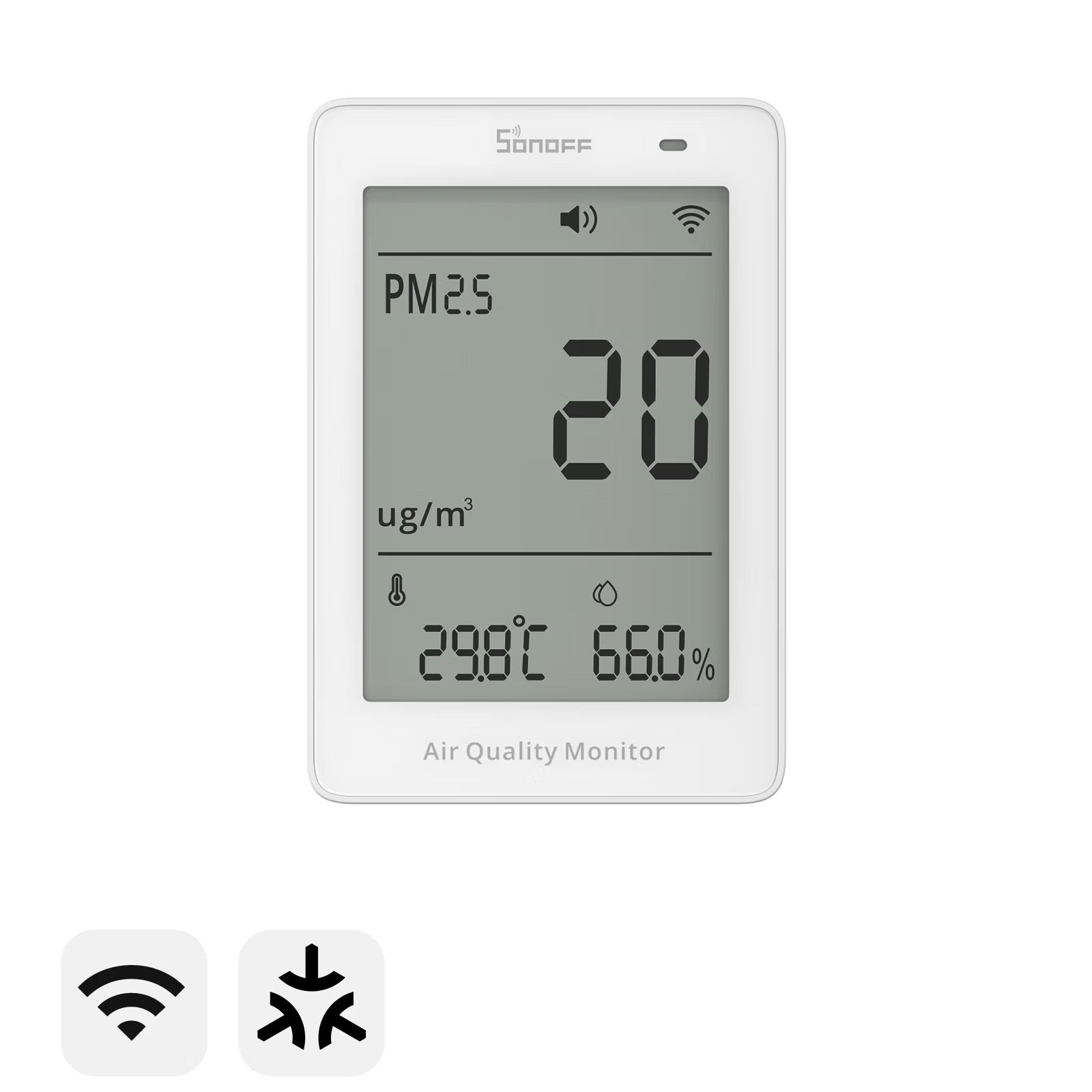
Compare 25 exact-model indoor air-quality monitor profiles. Evidence checked November 1, 2026. Look at which pollutants or conditions a device measures directly, which values it estimates, and how placement, upkeep and connectivity affect everyday use.
Compare within each product type and scoring group. Earlier published assessments retain their original method. New editorial research scores include evidence-confidence limits and six explained factors; they are not laboratory performance percentages.
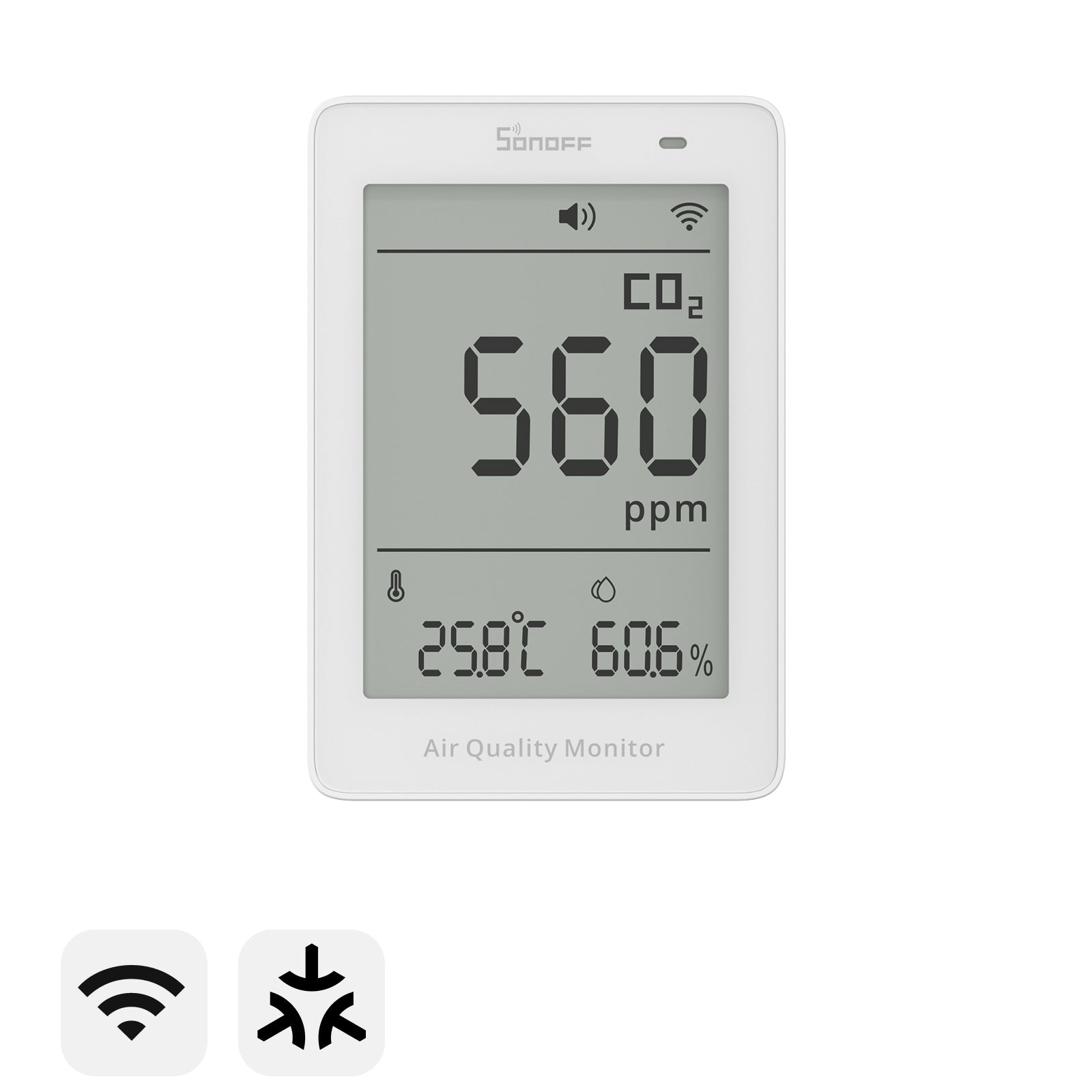
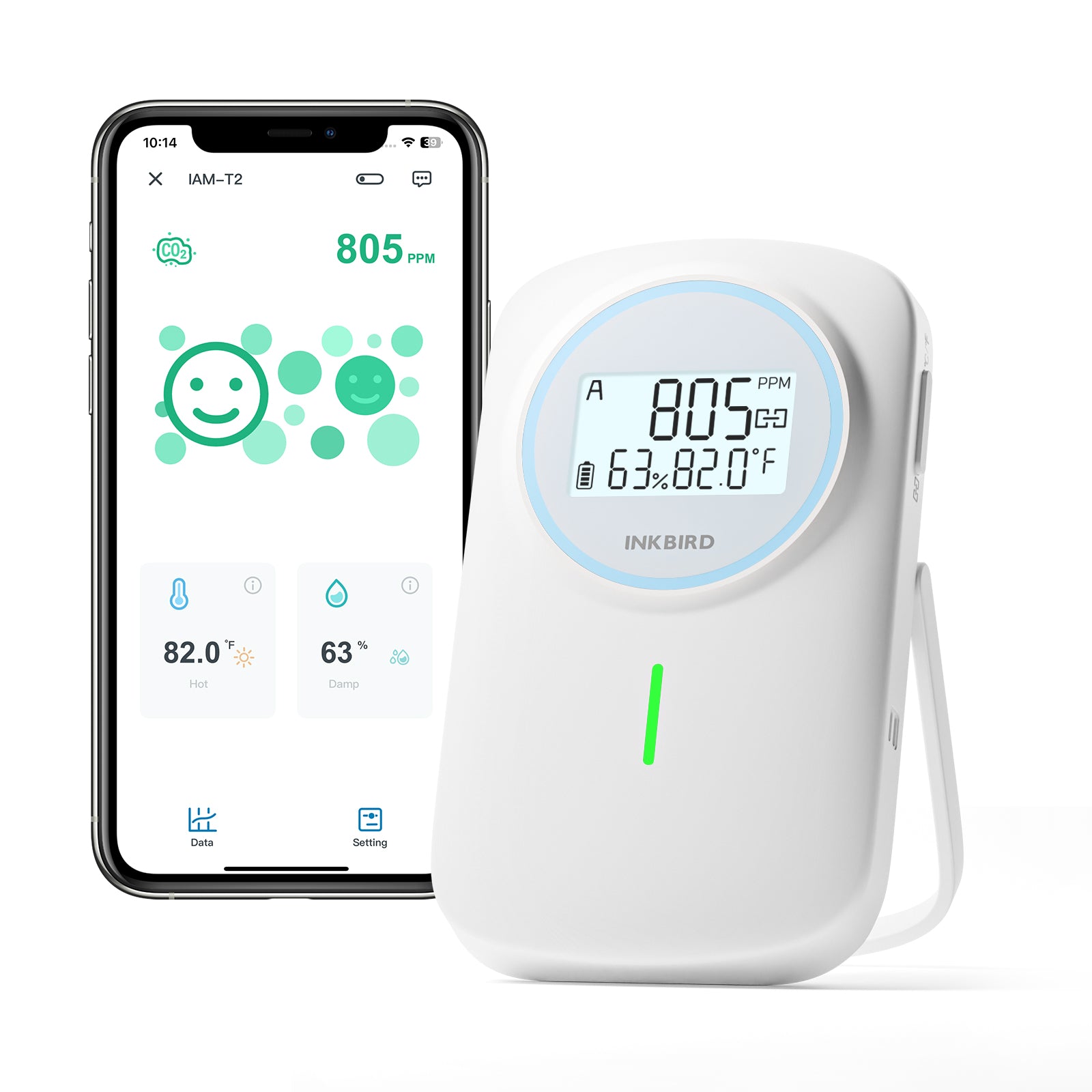
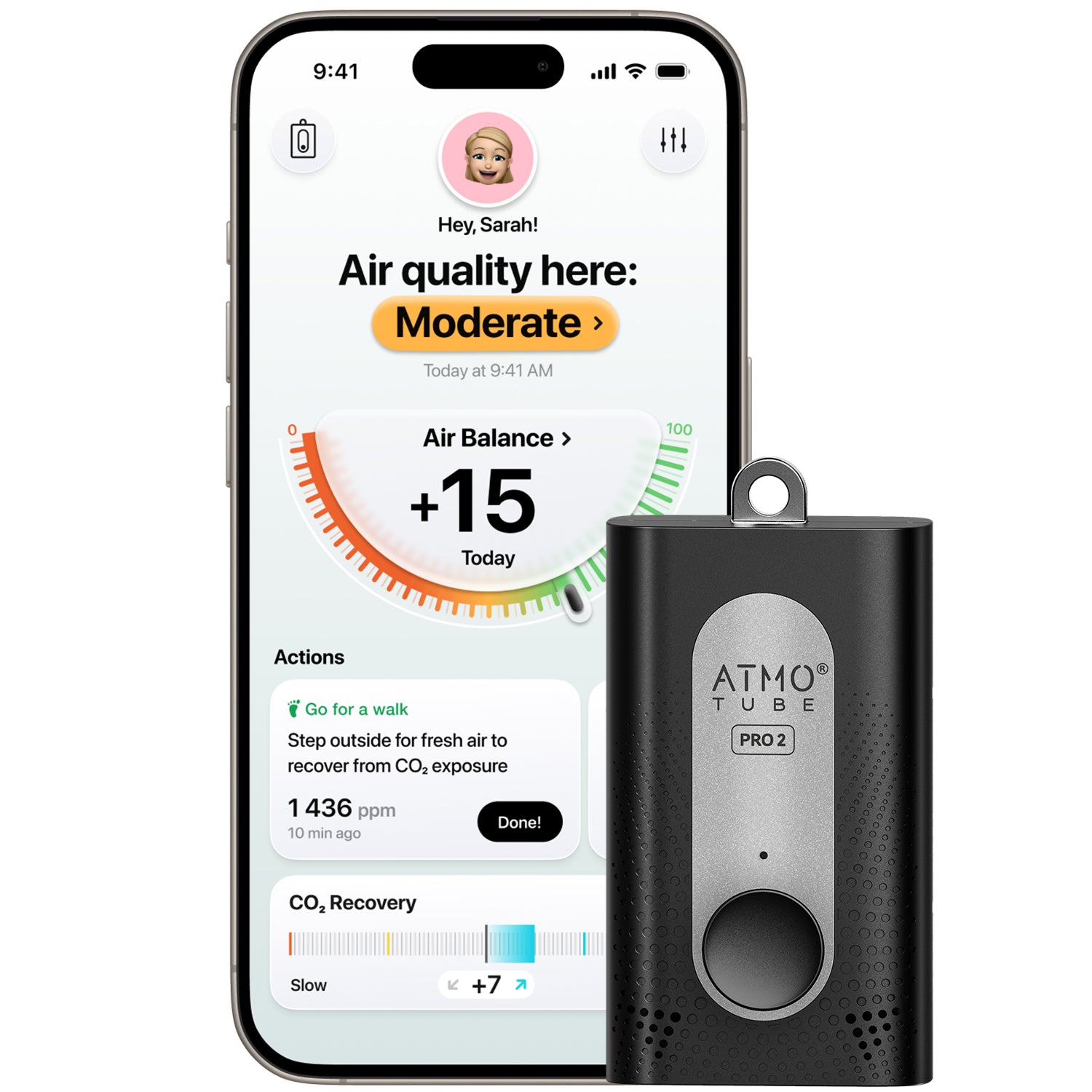
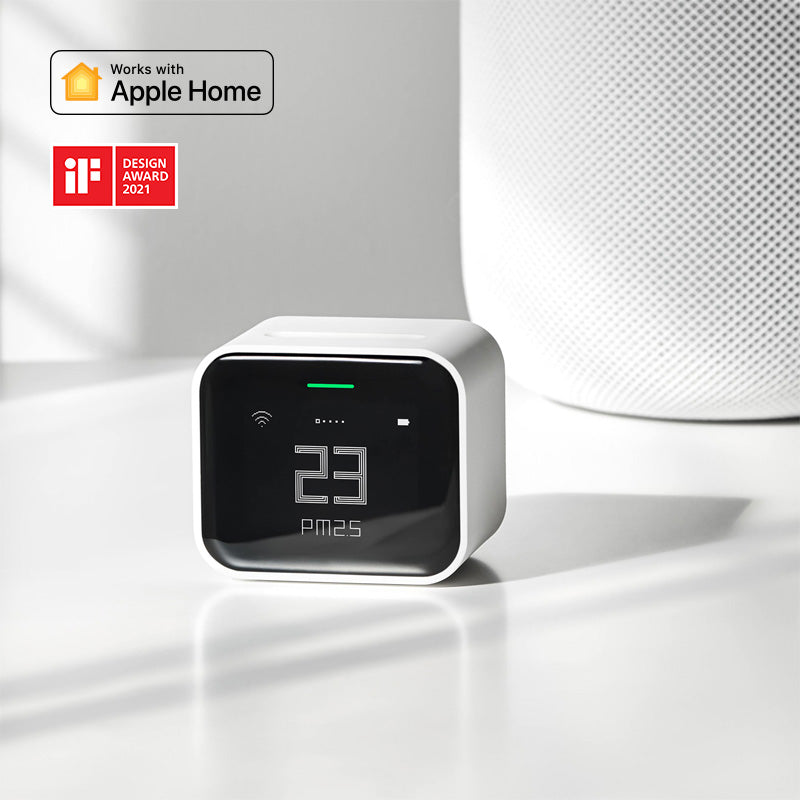
Battery e-ink monitor adds CO₂ to the older M10 family’s particle and gas focus.
Evidence & limitations
AQI is calculated, not a separate sensor. Manufacturer manual and storefront disagree on TVOC units and the temperature measurement range. CO₂ sensor architecture and independent current-revision validation remain unverified; accuracy claims apply only within their stated ranges.
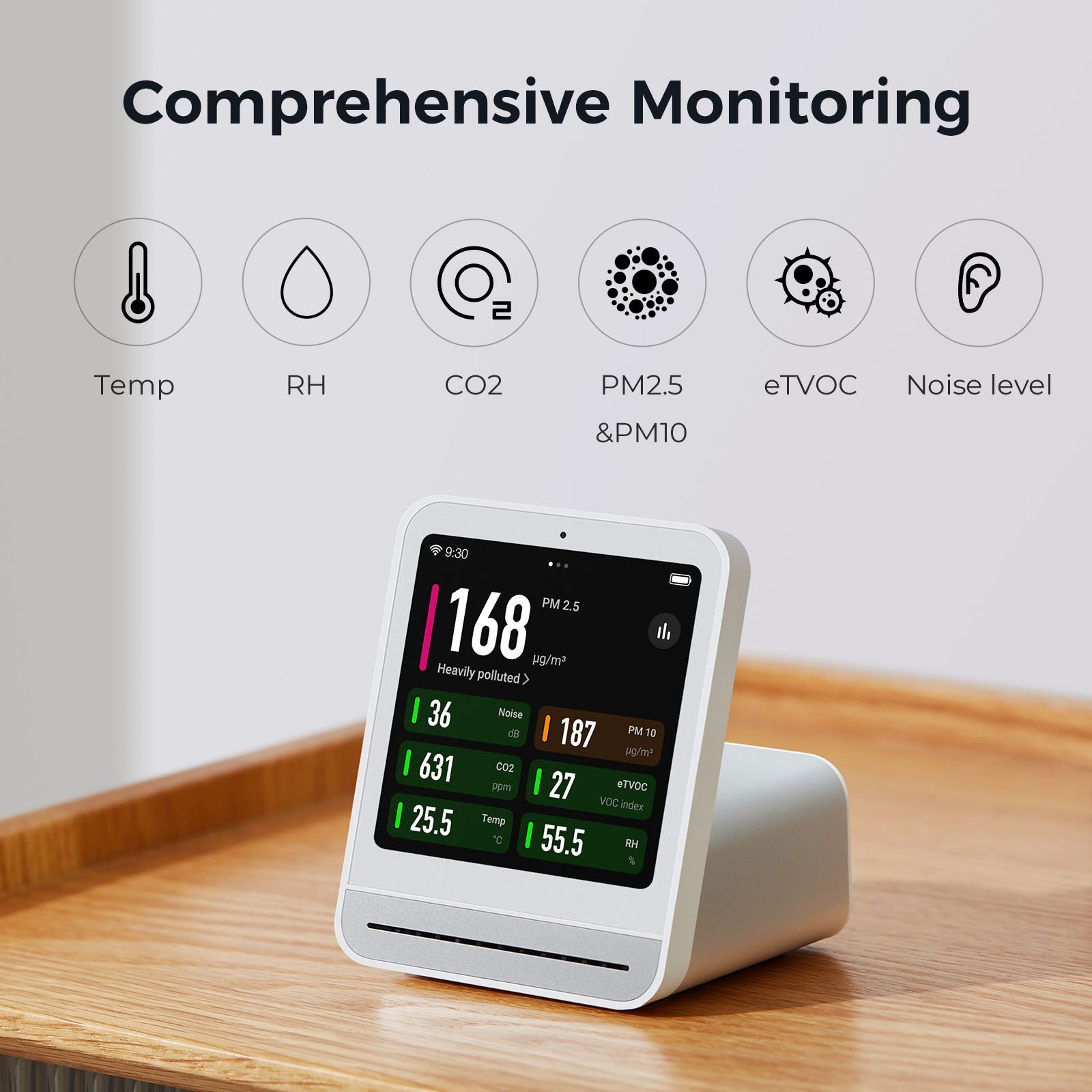
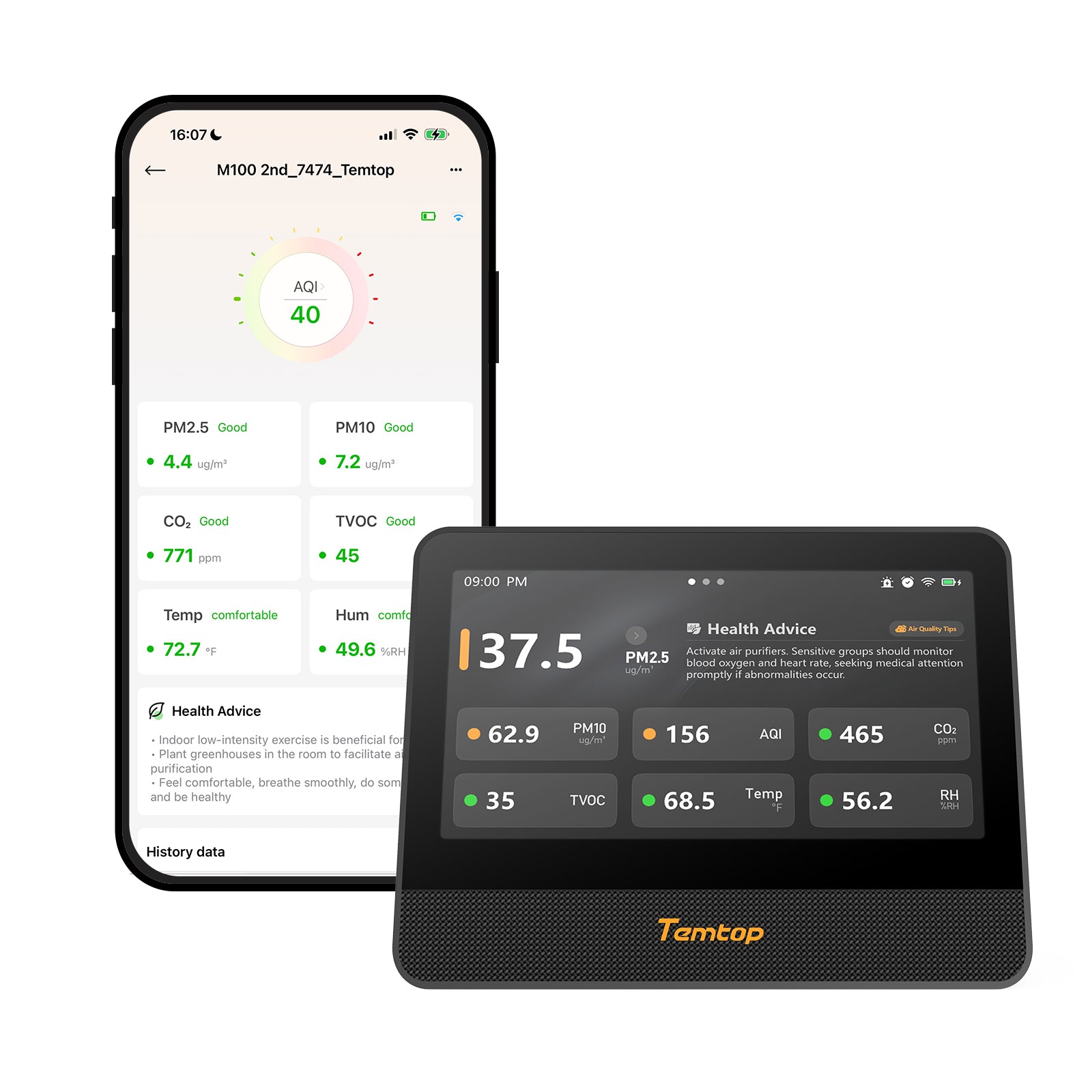
Four-inch touchscreen monitor with replaceable particle sensor and noise readout.
Evidence & limitations
eTVOC reflects relative changes, not an absolute laboratory TVOC measurement or formaldehyde reading. Finished-device accuracy tolerances and US warranty service remain unverified. Do not transfer Qingping Lite HomeKit support to this model.
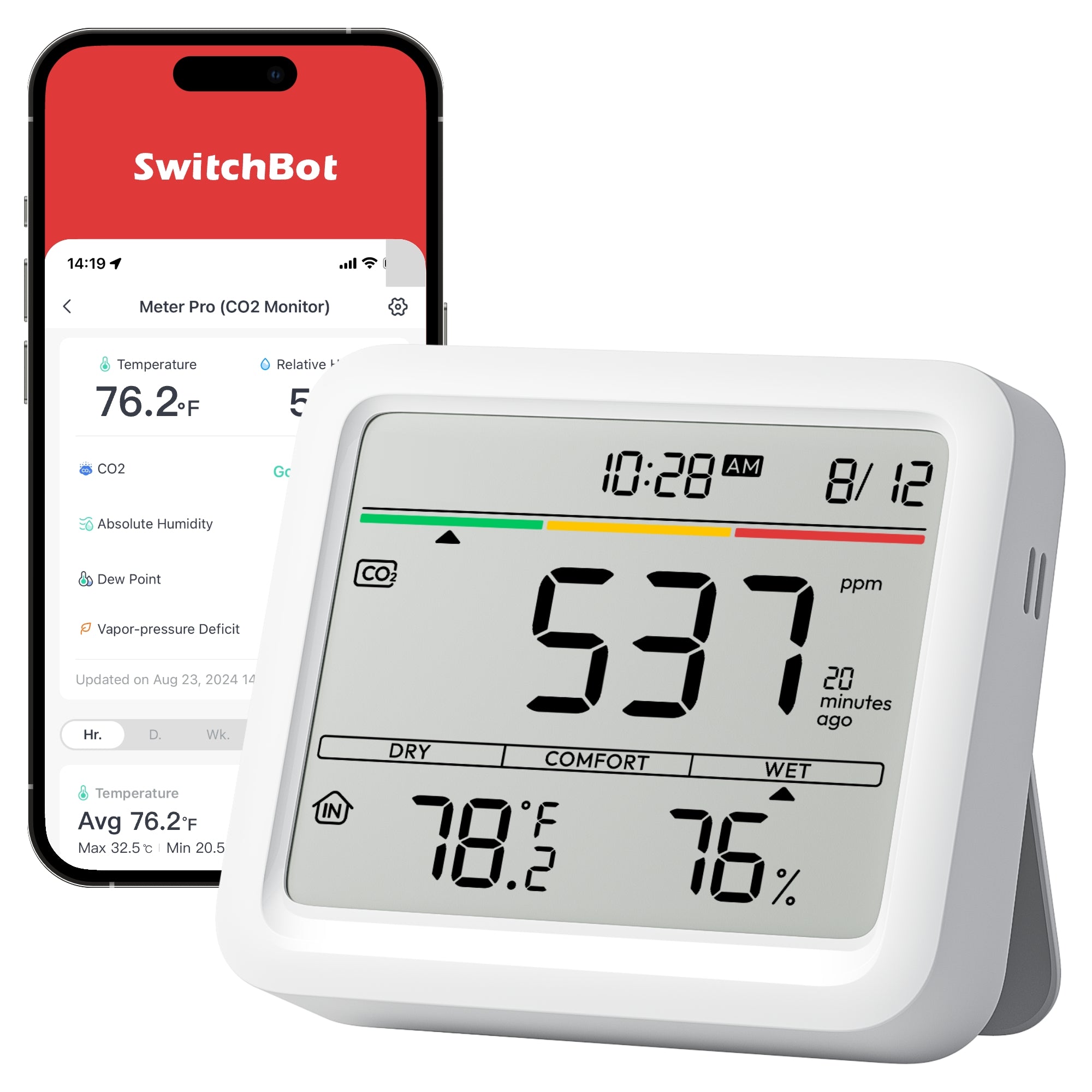
Desktop display pairs indoor particle and ventilation readings with outdoor air context.
Evidence & limitations
Current page mixes TVOC and PoE text inconsistent with established Pro documentation. AQMD older units tracked PM trends well but overestimated mass; correlation is not accuracy.
Connected multi-sensor monitor offered in configurable air-quality variants.
Evidence & limitations
eCO₂ is an estimate, not a direct CO₂ measurement. Confirm the sensor configuration, data plan, accuracy limits and exact retailer SKU before comparing it with dedicated NDIR CO₂ monitors.
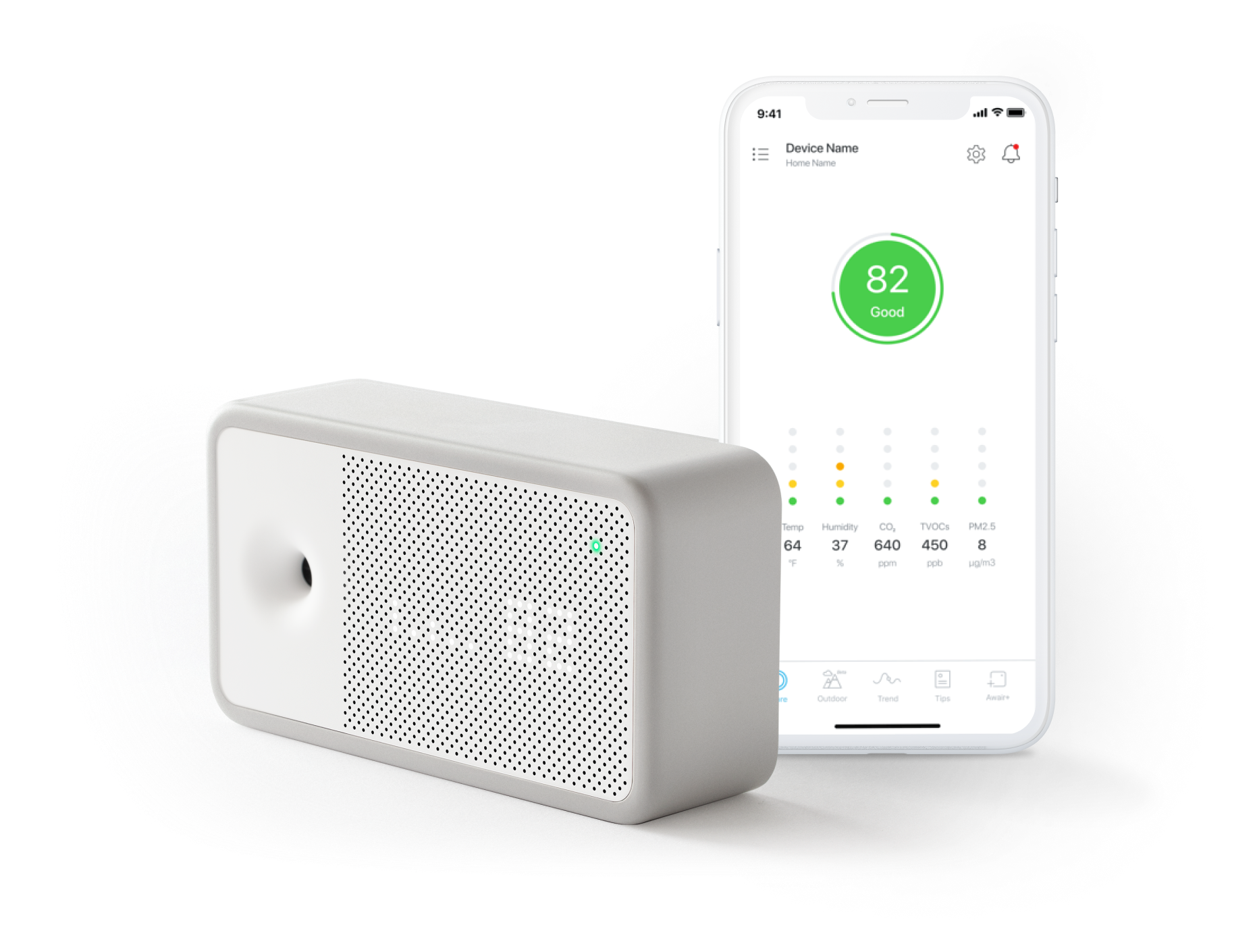
Wi-Fi desktop monitor listing particles, gases and room-comfort readings.
Evidence & limitations
Sensor identity, direct versus estimated CO₂, gas cross-sensitivity and complete accuracy specifications remain unverified. The observed manufacturer listing was unavailable/backordered; confirm current stock.
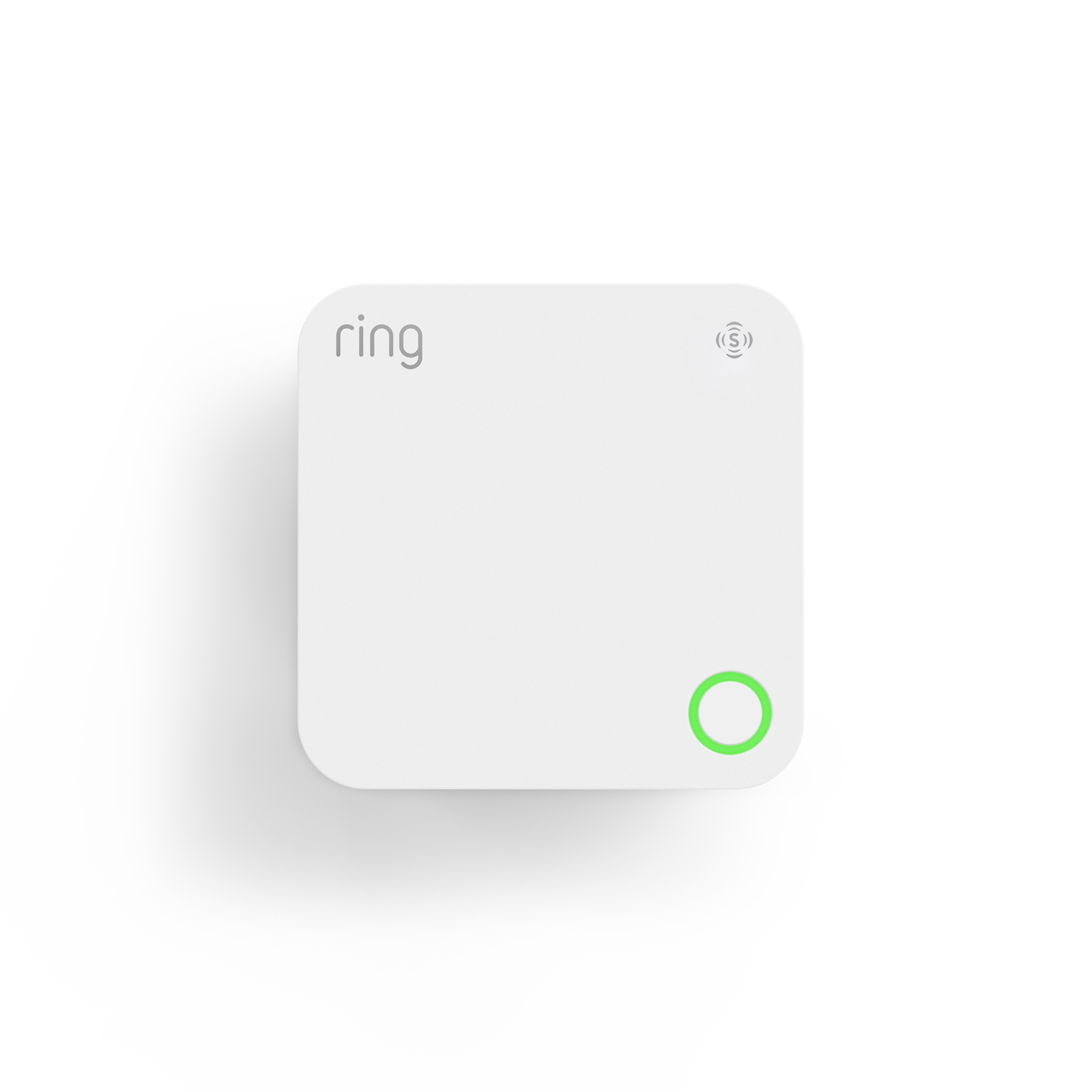
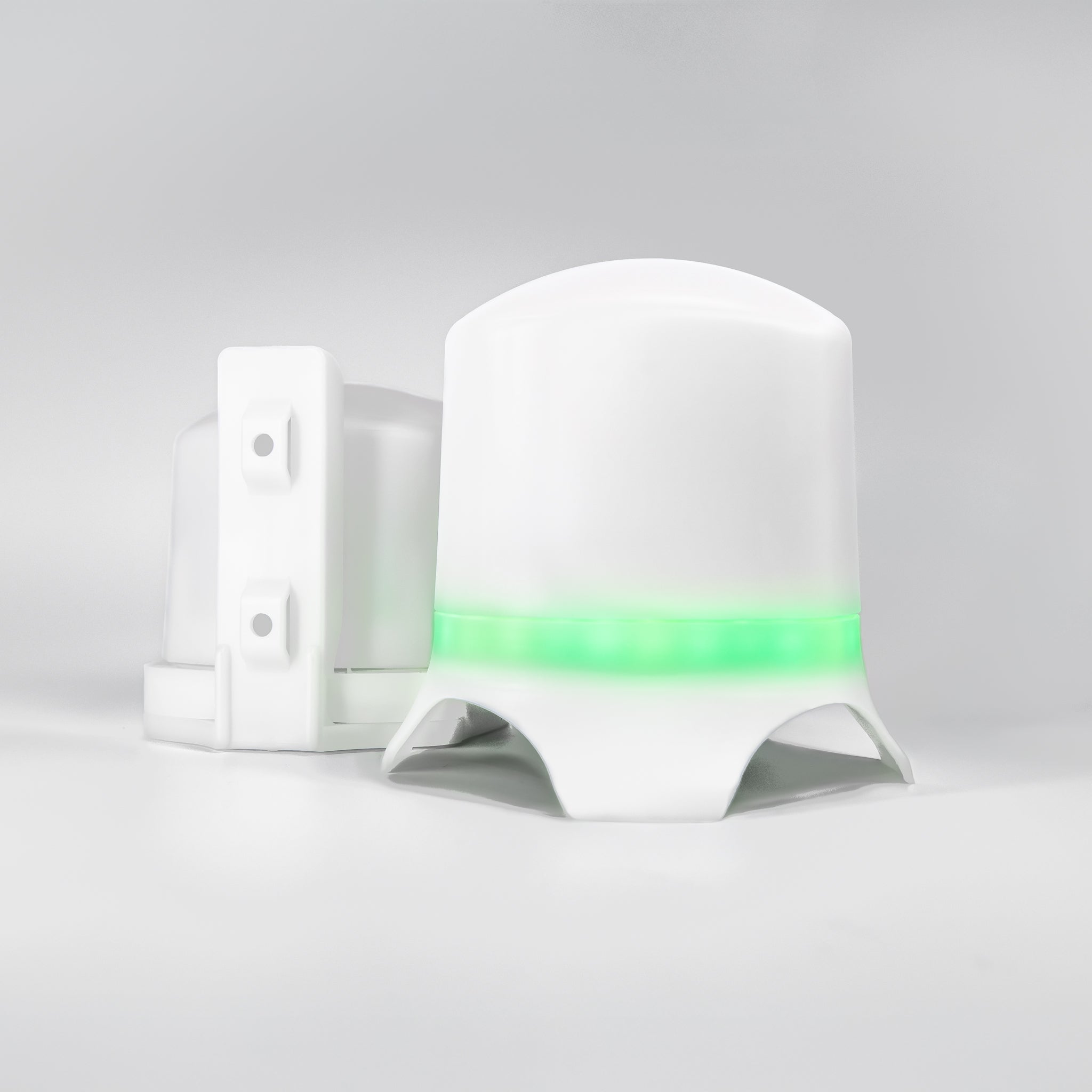
New Ring sensor uses Amazon Sidewalk for app-based particulate and environmental monitoring.
Evidence & limitations
US store and installation guide support plug-in operation. A troubleshooting page still mentions batteries; US FAQ says5 factors but lists4. No CO₂/radon claim accepted; CO trend monitoring is not proof of a certified alarm.
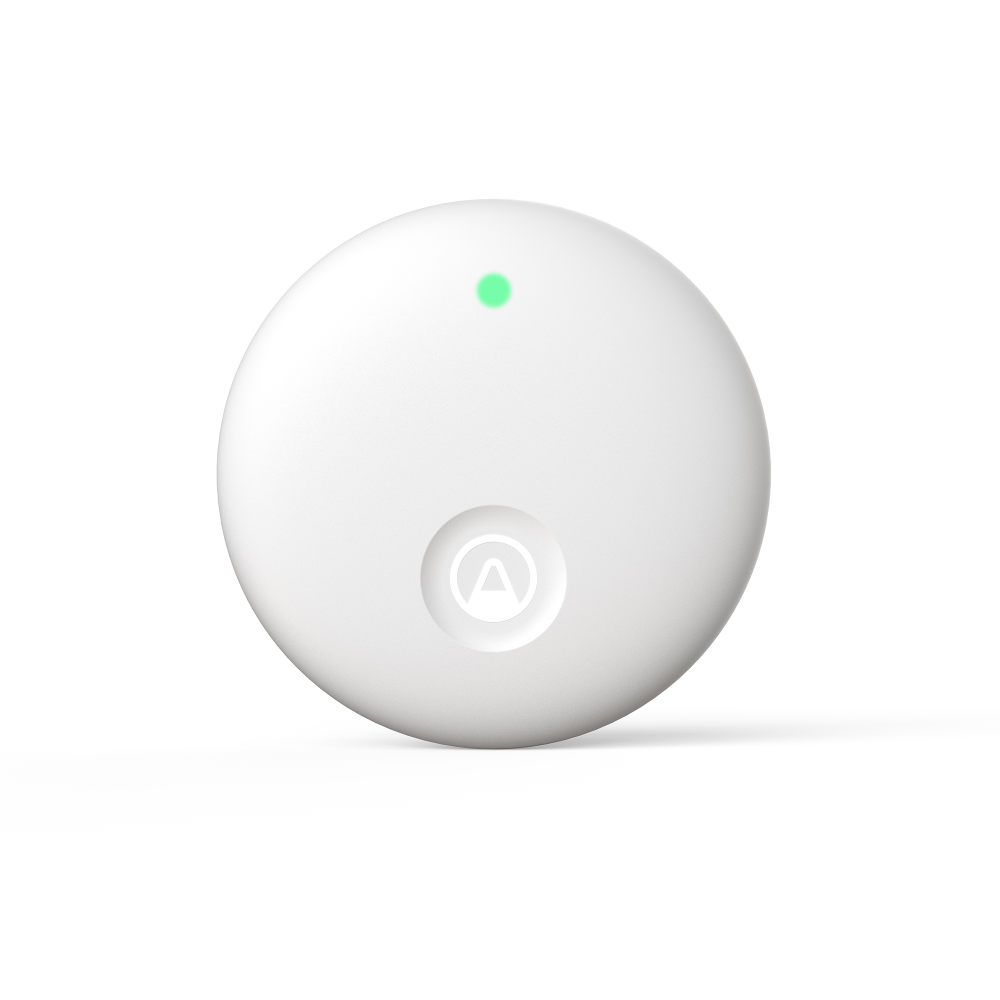
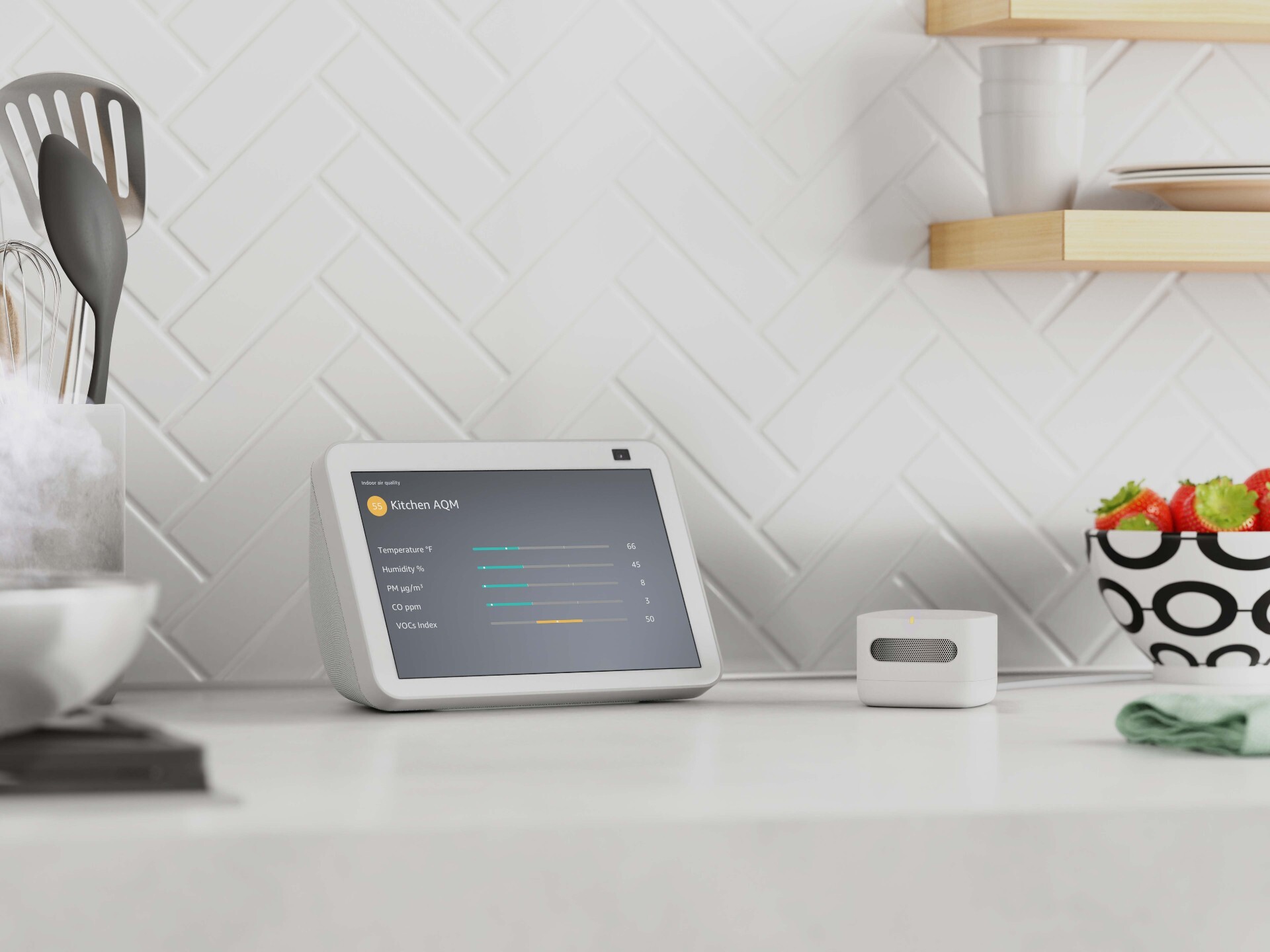
Small Alexa-linked monitor summarizes particles, VOC and CO trends through the app.
Evidence & limitations
Not a certified CO alarm; no CO₂, radon, screen or siren. The observed new-device buy box named Amazon.com as seller and shipper, but did not expose a dependable price. Exact pollutant accuracy remains unverified.
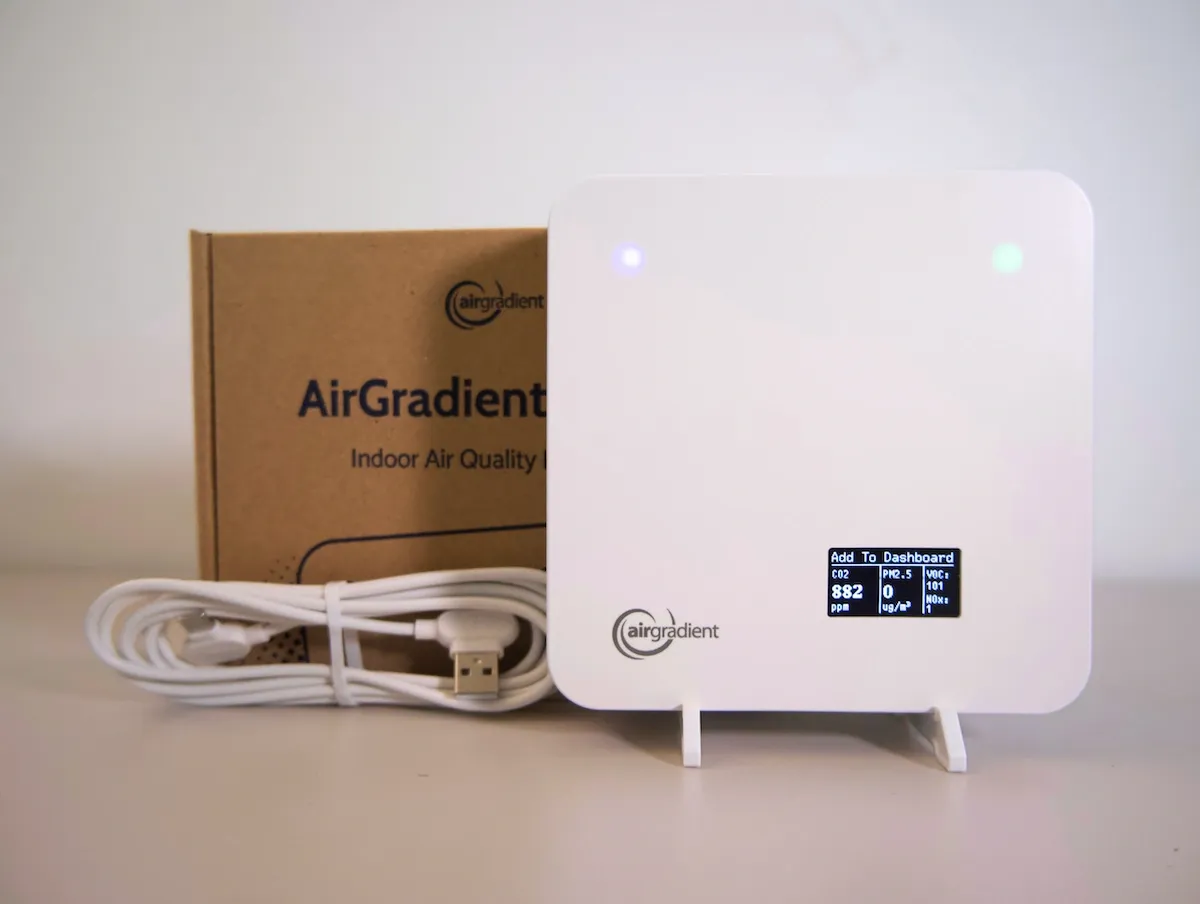
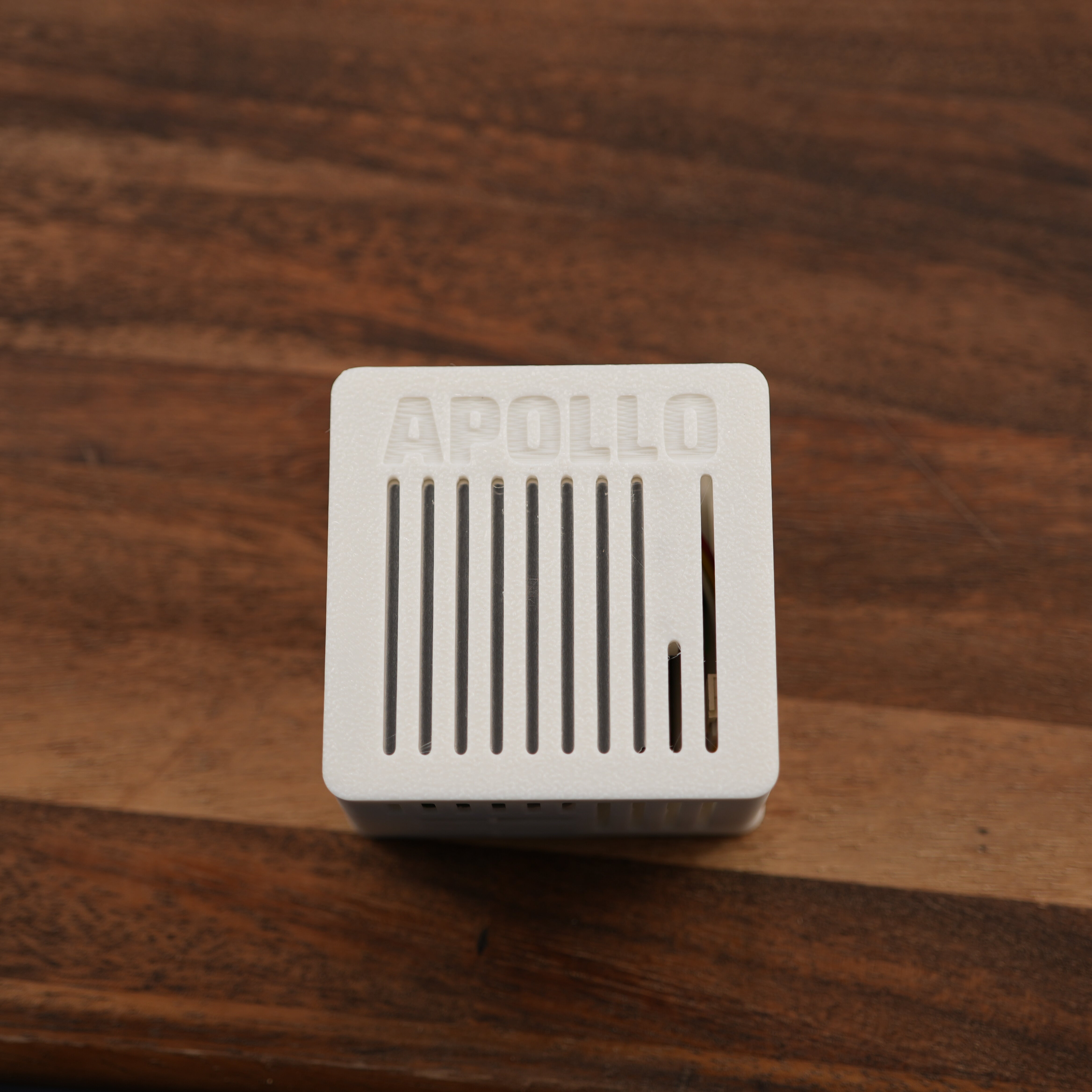
Open-source indoor monitor with named sensor modules, local integration and factory test report.
Evidence & limitations
VOC/NOx are indices, not compound-specific concentrations. Power adapter excluded. Page retains old12-month cloud wording alongside current subscription-free statement.
New research scores use six 0–10 factor ratings with stated percentage weights: sum(rating × weight) ÷ 10, rounded, with no calibration uplift. Each scored product shows all six reasons. Scores apply only within the stated use case and are not laboratory accuracy or performance percentages.
Existing published products retain their established score and method and appear in a separate group. For the November 1 editorial research cohort, missing or conflicting evidence limits factor credit and confidence; it is not a measured failure. Prices are dated observations, not live offers.
New editorial research scores
Six named 0–10 factors are weighted and rounded to 100 points without an uplift. Factor anchors: 9–10 strong specific support; 7–8 documented capability with limits; 5–6 partial/basic support; 3–4 missing or conflicting evidence. The product page shows each weight, reason, source and remaining limitation. Compare only within the stated product type and scoring group. These scores do not measure accuracy, contaminant removal, safety or reliability.
FilterTier only moves a system into a finalized ranked position when the exact model has enough verified evidence for the category. Marketing claims, peak-flow numbers and component certifications are not treated as equivalent to exact-system performance.
What to know before you buy
Decide what you need to measure
Check whether a device directly measures particulate matter, carbon dioxide, humidity, temperature or other indicators. Some dashboard values are estimates derived from different sensors. Verify the exact model's sensor list and stated limitations.
Understand placement and data
Review placement guidance, calibration or maintenance requirements, app/cloud reliance, data export, display and alert options, and recurring costs.
Use readings in context
A monitor can help track trends but does not replace dedicated smoke or carbon monoxide alarms or professional investigation of suspected hazards. Compare research scores within the stated use case and inspect gaps in supporting evidence.
Frequently asked questions
How do scores account for missing evidence?
Editorial research scores assign limited credit to unresolved claims and show low or moderate evidence confidence. Specifications remain explicitly unverified where needed; no missing fact is invented.
Are prices and stock live?
No. Follow the linked source to confirm the exact model, seller, included accessories and current price.
FilterTier provides independent comparison and educational information, not medical, plumbing, engineering or legal advice. Product claims, certifications, specifications, prices, warranties and availability can change; verify current details with the manufacturer and use water testing and a qualified professional when appropriate. Some outbound links may be affiliate/referral links, which may earn FilterTier compensation without changing the price you pay or the scoring methodology. Brand names, logos and product images belong to their respective owners.